

🚨MISS BUSHBUCKRIDGE 2026
November 6, 2025
Four Security Guards Arrested for Attempted Murder
November 6, 2025
Mpumalanga Premier Mandla Ndlovu has officially opened the first sitting of the Provincial Council on Gender-Based Violence and Femicide (GBVF), describing it as a defining step in the province’s commitment to end violence against women and children.
The inaugural session, held at the Emnotweni Arena in Mbombela on Thursday, brought together members of the Executive Council, mayors, traditional leaders, law enforcement officials, and representatives from civil society.
Premier Ndlovu said the establishment of the Council marked a moment of “deep purpose and responsibility,” aimed at strengthening coordination and accountability in addressing GBVF across all sectors of society.
“We pledged to account, coordinate and provide leadership in fighting GBVF; to ensure effective implementation of the Provincial Strategic Plan; and to restore dignity to the citizens of Mpumalanga,” he said.
The Premier reminded attendees that President Cyril Ramaphosa had declared gender-based violence and femicide as South Africa’s “second pandemic”, highlighting its devastating impact on communities. He added that the issue continues to draw global attention, featuring prominently on the agenda of the upcoming G20 Summit, where world leaders are expected to endorse a Ministerial Declaration on Women’s Empowerment.
Premier Ndlovu further called for stronger community structures, including Rapid Response Teams, to ensure survivors receive immediate assistance and justice.
Council Urges Action on Budgets, DNA Delays and Survivor Support
Members of the GBVF Council used the occasion to spotlight the urgent challenges that continue to hinder justice and recovery for survivors.
They stressed that the fight against GBVF requires more than awareness — it demands a full understanding of the “pathways” survivors navigate, from seeking shelter and counselling to standing in court and testifying.
“When we talk about pathways, we’re referring to the social support that strengthens a person to stand in court, the legal advice they receive before getting there, and the shelters that accommodate them as they try to rebuild their lives,” the Council said.
Civil society organisations within the Council have been working to integrate these services through Pathways to Justice meetings and stakeholder engagements. However, they warned that major gaps remain due to funding shortages, limited human resources, and weak coordination.
“One of the strongest messages from our engagements is the urgent need for gender-responsive budgeting at municipal and provincial levels,” they said.
“While Integrated Development Plans acknowledge gender-based violence, their priorities are not supported by clear and funded commitments. Too often we are told there is no money — this must change.”
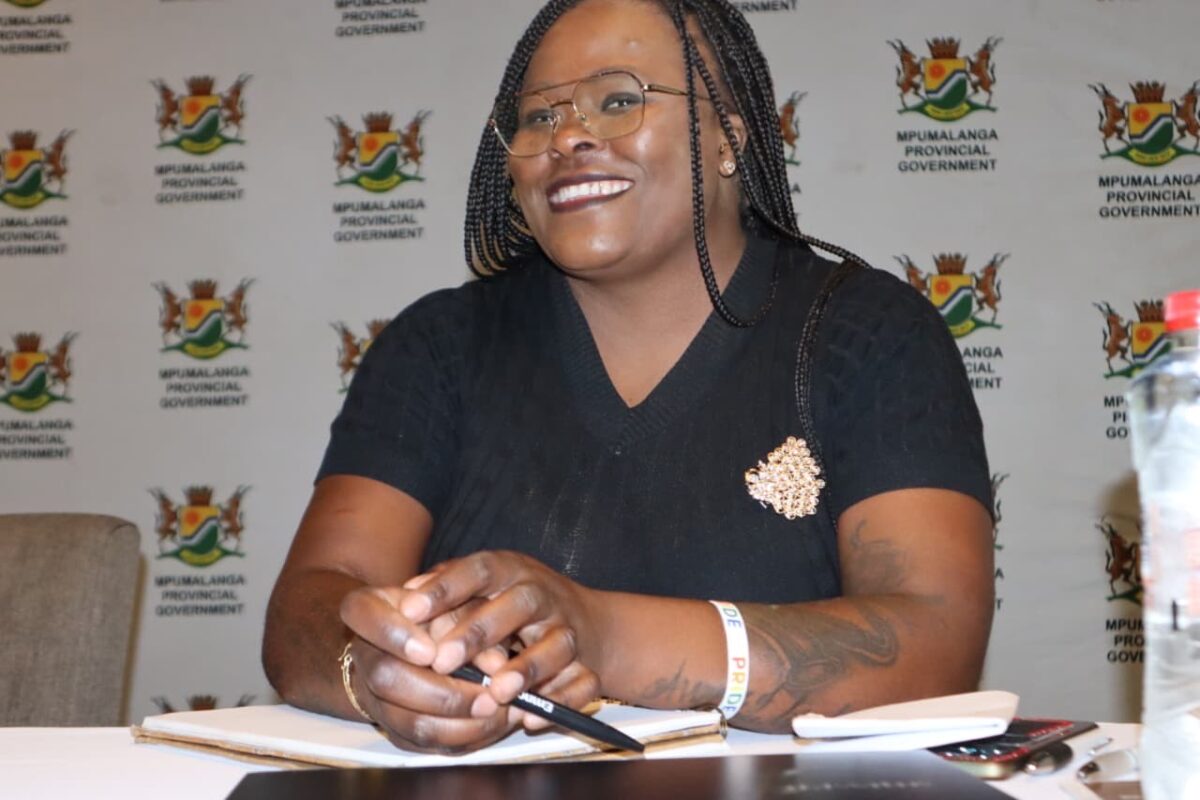
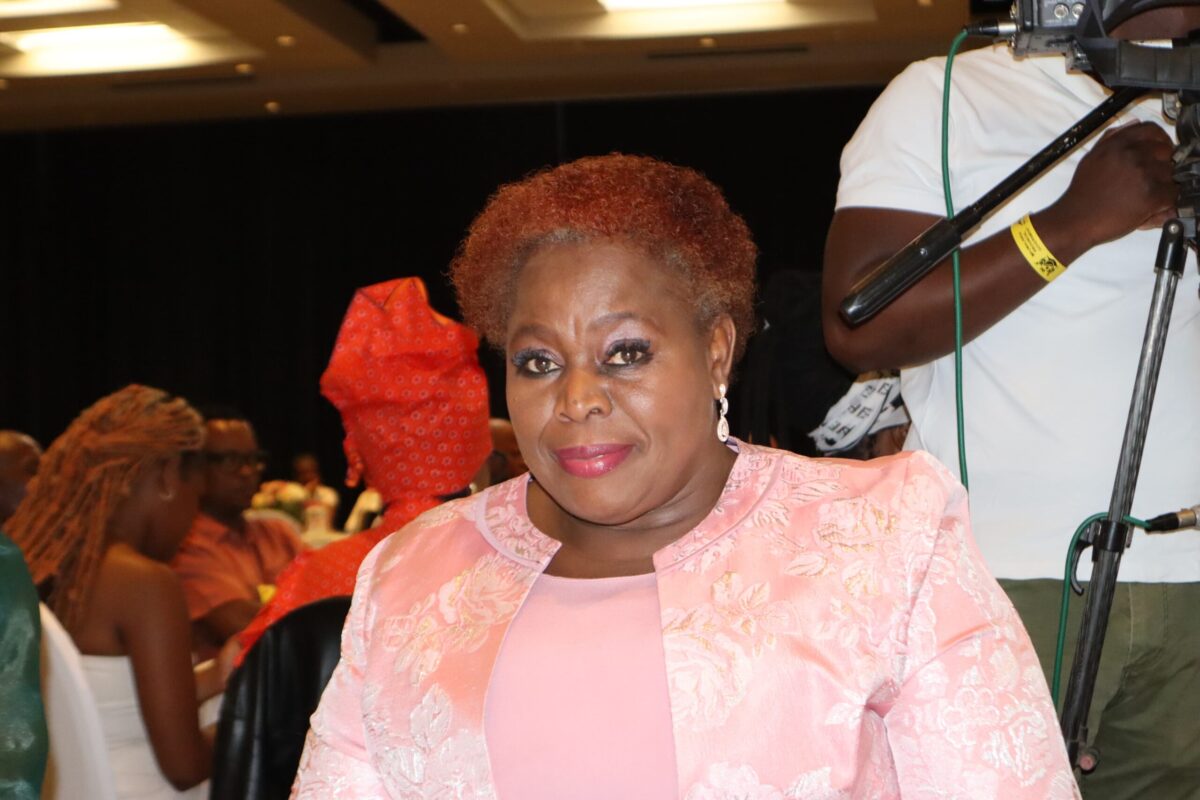
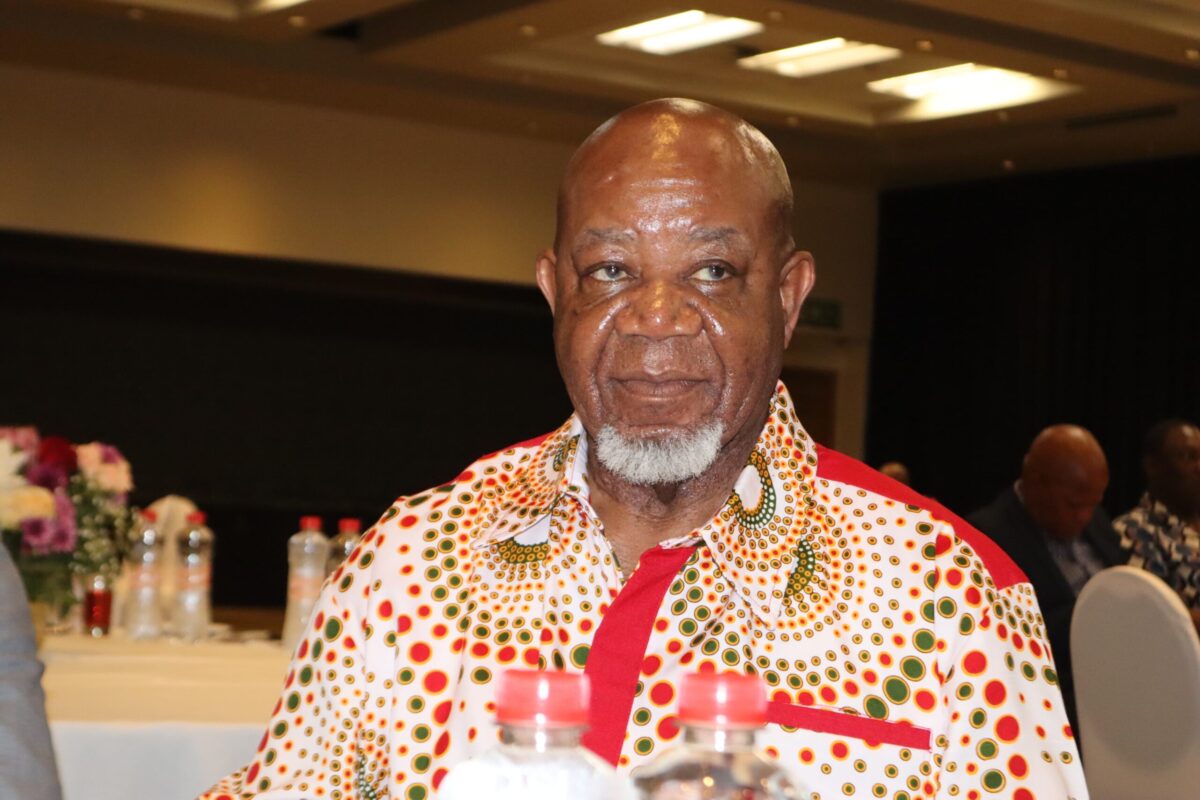
The Council also raised concern over the shortage of forensic nurses and social workers, noting that trauma-trained professionals are essential for supporting survivors of sexual violence. Delays in DNA results were identified as another significant obstacle to justice.
“When DNA results take months, cases are struck off the roll and survivors lose faith in the system. We urgently need a dedicated DNA laboratory to ensure timely results,” they added.
Communities such as Bushbuckridge were highlighted as areas in need of fully functional one-stop centres, where survivors can access medical care, counselling, and legal support under one roof.
“As the Council, we are not here merely to coordinate — we are here to take accountability and to hold one another accountable,” the Council concluded.
Closing the session, Premier Ndlovu called on all sectors to act with unity, compassion, and urgency.
“Let us not fail the people we serve. Together, we can build a Mpumalanga where every person lives in safety, dignity, and respect,” he said.
